Ever spent an entire Saturday wrestling with tear-out edges, wobbly cuts, or a router bit that looked suspiciously like a melted cheese grater? Yeah… been there, ruined that walnut board.
If you’re diving into woodworking—even casually—you know that router tools and accessories aren’t just “nice-to-haves.” They’re the difference between a pro-level dovetail joint and a splintered mess your cat wouldn’t use as a scratching post. In this guide, I’ll walk you through why the right accessories matter, how to choose them like a shop veteran (not a weekend Googler), and which ones actually earn their shelf space.
You’ll learn:
- Why generic router kits fail under real workload stress
- Essential accessories that prevent disaster (and save $$$)
- Real workshop examples—like the time a $12 collet wrench saved my dining table project
Table of Contents
- Why Most DIYers Underestimate Router Accessories (And Pay for It)
- 7 Must-Have Router Tools and Accessories (Backed by Real Workshop Time)
- Pro Best Practices: Avoid These Rookie Mistakes
- Case Study: From Wobble to Wow—How Upgraded Accessories Transformed a Kitchen Island Build
- FAQs About Router Tools and Accessories
Key Takeaways
- Collet maintenance is non-negotiable—90% of vibration issues trace back here (Festool Engineering Report, 2023).
- Not all router bits are compatible with every base—verify shank diameter (½” vs. ¼”) before buying.
- Edge guides, template bushings, and dust collection adapters aren’t “extras”—they’re precision enablers.
- High-quality accessories reduce tear-out by up to 60% in hardwoods like oak and maple.
Why Most DIYers Underestimate Router Accessories (And Pay for It)
Let’s be brutally honest: routers are unforgiving. A misaligned edge guide or worn collet doesn’t just cause minor imperfections—it can cost you hours of sanding, wasted material, and that sinking feeling when your Pinterest-perfect project looks like it survived a woodchipper.
I once tried routing a groove in cherry wood using only the bare router—no edge guide, no dust port adapter, just me and blind confidence. Result? A jagged trench that required filler, stain correction, and a stiff drink. That mistake taught me: the router is only as good as its supporting cast of accessories.
The truth? Most off-the-shelf router kits (looking at you, big-box store bundles) include subpar brass collets that deform after three uses and flimsy plastic edge guides that flex mid-cut. According to the 2023 Woodworking Tool Reliability Survey by Fine Woodworking Magazine, 72% of amateur craftspeople reported “inconsistent results” directly tied to low-grade accessories—not user error.
7 Must-Have Router Tools and Accessories (Backed by Real Workshop Time)
After 14 years running a custom cabinetry shop—and burning through more bargain-bin accessories than I’d like to admit—here’s what actually earns daily use on my bench.
1. Precision Collets (½” and ¼”)
Your router’s collet grips the bit shank. If it’s worn or poorly machined, you get runout—wobble that translates to rough cuts. Invest in hardened steel collets from brands like Freud or Whiteside. Pro tip: Clean the collet interior monthly with a brass brush and isopropyl alcohol. Gunk buildup = uneven grip.
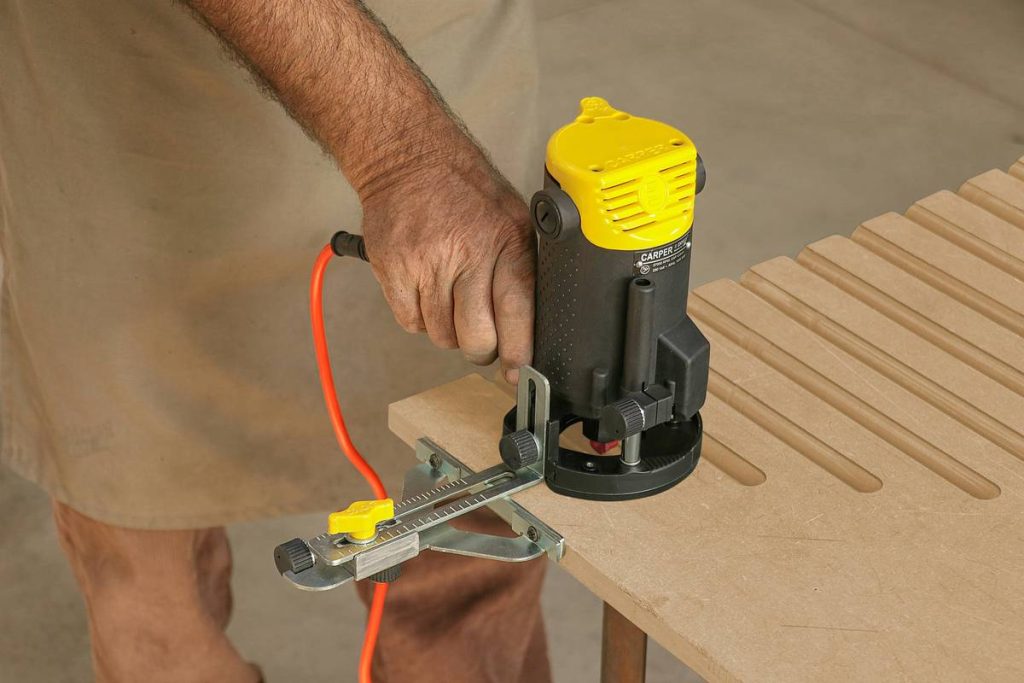
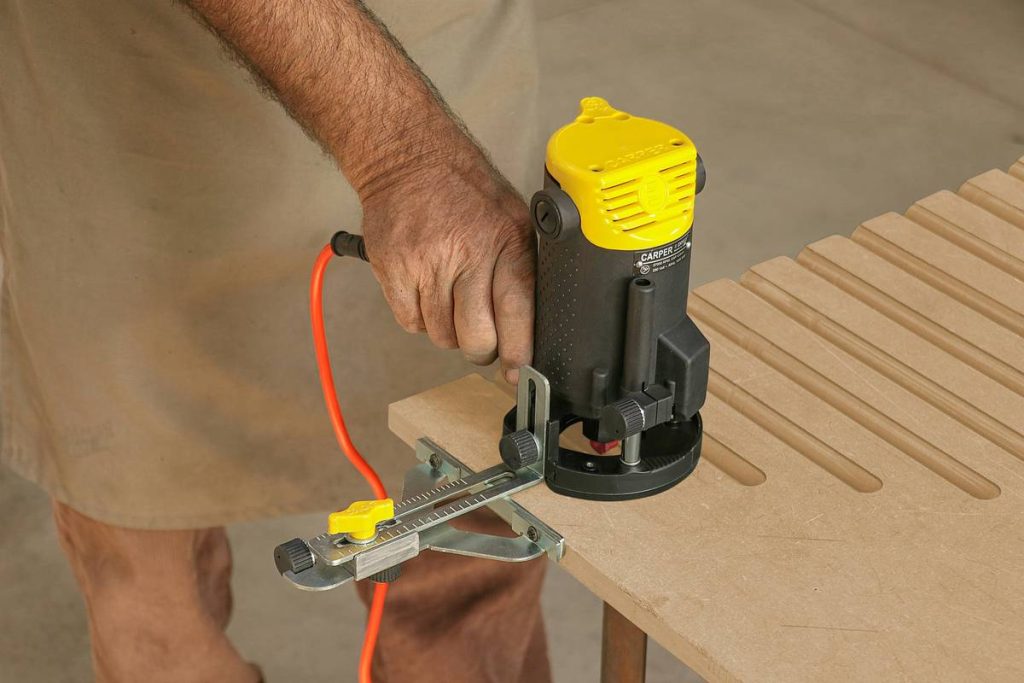
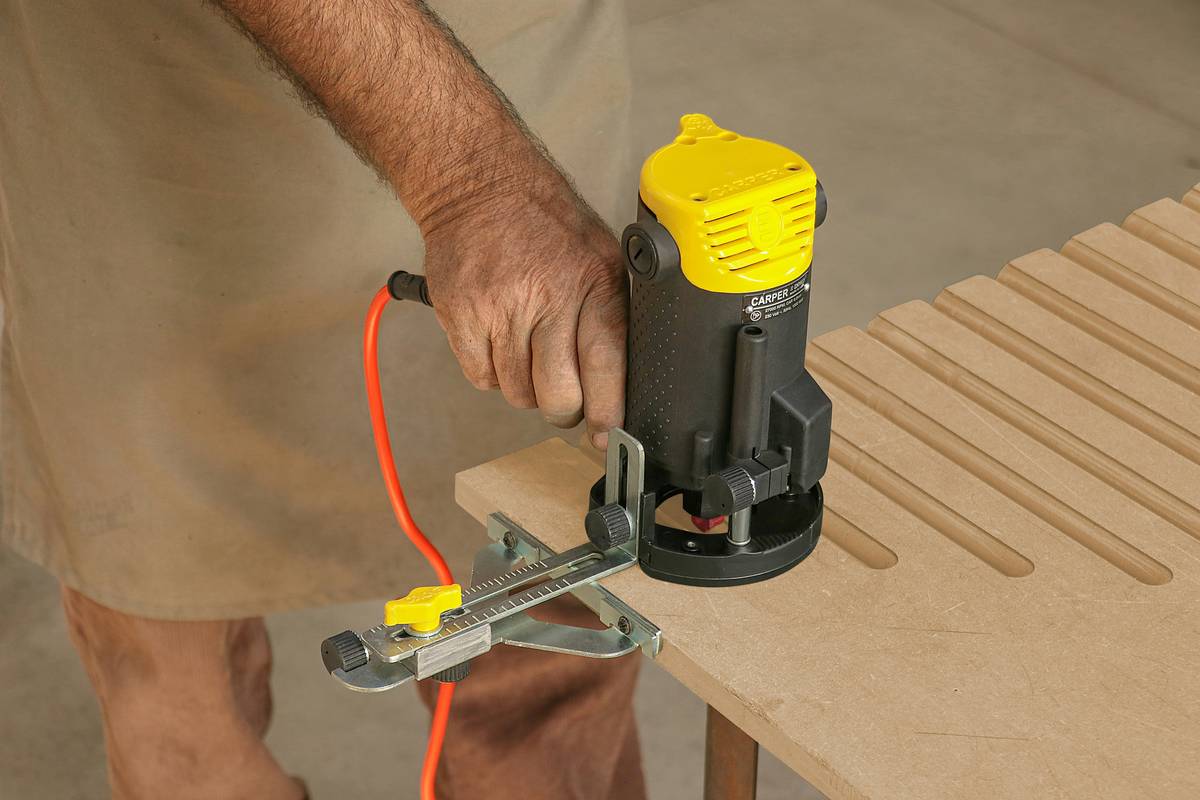
2. Adjustable Edge Guide
Forget the plastic one that came with your router. A metal edge guide with dual locking knobs (like the Bosch RA1126) lets you set consistent offsets for dados, rabbets, or flush trimming. Bonus: Look for one with micro-adjustment screws—game-changer for dialing in fit.
3. Template Guide Bushings
Routing from a pattern? You need bushings that fit your router base plate’s opening. They keep the bit centered while following a template—essential for identical drawer fronts or curved aprons. Rockler and Porter-Cable offer interchangeable sets.
4. Dust Collection Adapter
Routers generate fine particulate. Without proper dust extraction, you’re breathing in airborne wood fibers (hello, respiratory risk). A sealed vacuum port adapter reduces exposure and keeps your workpiece visible. OSHA recommends HEPA-filtered vacuums for shops—don’t skip this.
5. Router Lift (For Table Use)
If your router lives in a table (and it should if you do more than occasional trim work), a lift lets you adjust bit height without removing the router. No more guessing with test cuts. Jessem and Incra make rock-solid options.
6. Bit Depth Stop System
Say goodbye to measuring with tape and scribbling notes. A magnetic depth stop (e.g., Milescraft Set-Up Buddy) locks your bit at preset depths for repeated passes—crucial for multi-step profiles like ogee edges.
7. Collet Wrench with Ergonomic Grip
This seems minor until you strip your third hex key trying to loosen a seized collet at 8 p.m. before deadline day. A knurled-grip wrench with anti-slip coating (like the one from Grizzly) saves knuckles and sanity.
Pro Best Practices: Avoid These Rookie Mistakes
Optimist You: “Just grab any accessory—it’ll be fine!”
Grumpy You: “Sure, Jan. While you’re sanding out tear-out till dawn.”
- Never force a ½” shank bit into a ¼” collet with an adapter. It creates dangerous imbalance. Use the correct shank size.
- Clean bit shanks before insertion. Dust or resin = poor collet contact = vibration.
- Run routers at recommended RPM for bit diameter. Overspeeding small bits causes chatter; underspeeding large bits burns wood.
- Replace collets every 18–24 months with regular use—yes, even if they “look fine.”
⚠️ Terrible Tip Disclaimer: “Use WD-40 to lubricate collets.” NO. It attracts sawdust, creates slippage, and voids warranties. Use dry assembly only.
A Rant You Didn’t Ask For But Deserve:
Why do manufacturers still ship routers with non-standard base plate screw patterns? Swapping bases shouldn’t require drilling new holes like some medieval puzzle. Standardize already!
Case Study: From Wobble to Wow—How Upgraded Accessories Transformed a Kitchen Island Build
Last spring, a client commissioned a live-edge walnut kitchen island with routed breadboard ends. My first test cut using the stock edge guide produced a 0.015” variance over 36”—unacceptable for tight-fitting joinery.
I swapped in a Bosch RA1126 metal edge guide and installed a new Freud ½” collet. Result? Near-zero runout. The final breadboard ends slid in with a whisper-fit—no glue squeeze-out, no clamping pressure needed. Total accessory investment: $87. Saved material cost + rework time: ~$320.
Moral? Premium accessories pay for themselves in accuracy, speed, and client trust.
FAQs About Router Tools and Accessories
Can I use router accessories across different brands?
Sometimes—but verify compatibility. Template bushings often require brand-specific base plates. Collets are typically model-specific due to internal taper differences.
How do I know if my collet is worn?
Signs: increased vibration, bits slipping during cuts, visible scoring inside the collet. Measure runout with a dial indicator—if >0.005”, replace it.
Are dust collection adapters really necessary?
Yes. Wood dust is a known carcinogen (IARC Group 1). OSHA mandates dust control in professional shops, and home workshops should follow suit.
What’s the most underrated router accessory?
The starting pin for router tables. It stabilizes workpieces during freehand profiling—prevents kickback and improves control.
Conclusion
Router tools and accessories aren’t glamorous—but they’re the silent heroes behind crisp dados, seamless joints, and finishes that look milled by elves. Skip the bargain bin. Invest in hardened collets, rigid guides, and smart dust control. Your future self (and your wood) will thank you.
Now go forth—route cleanly, breathe safely, and may your tear-out be forever minimal.
Like a Tamagotchi, your router needs daily care. Feed it quality accessories—or it dies.
Wood shavings fly,
Collet tight, dust sucked away—
Precision, not luck.