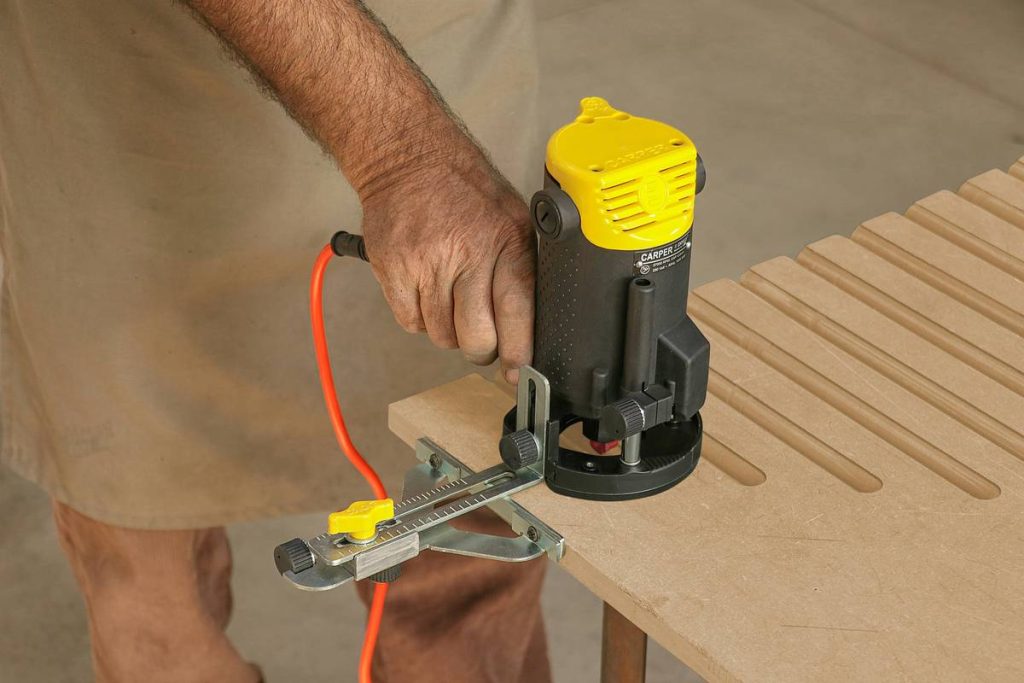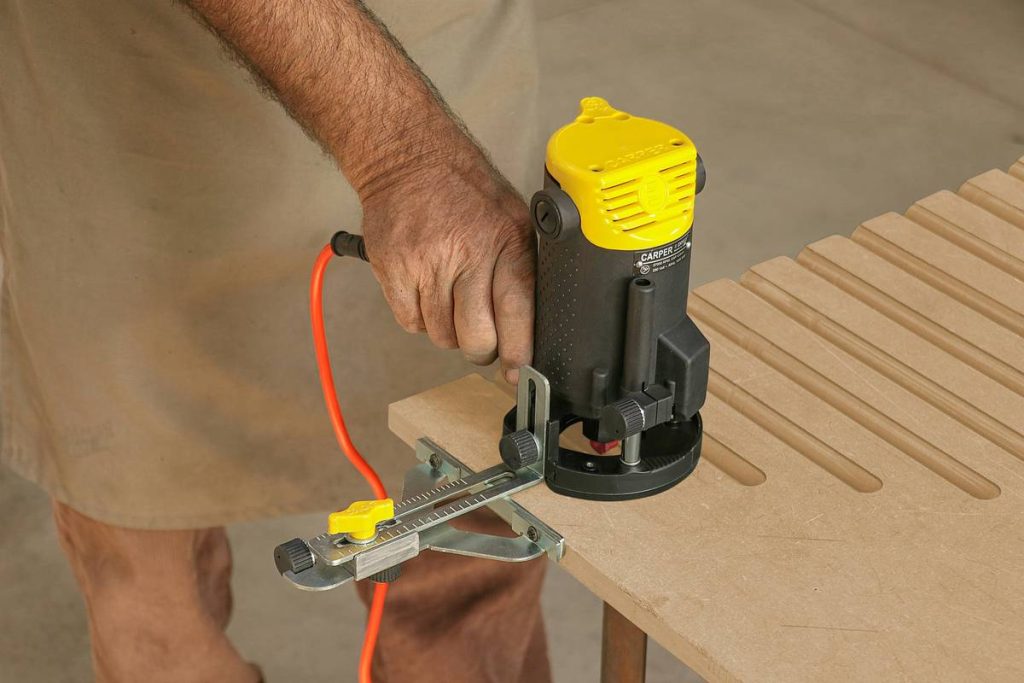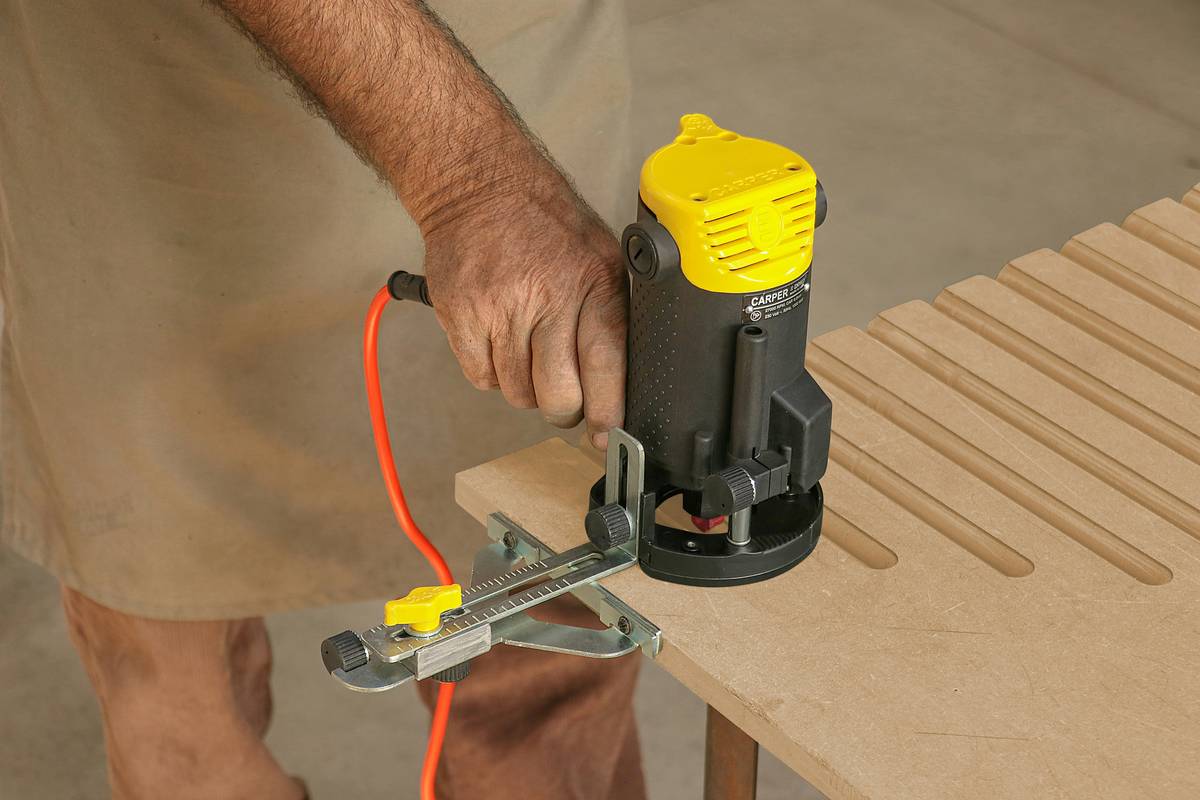
Ever spent 45 minutes setting up a perfect router cut—only to hear that awful crack! as your workpiece splits like cheap plywood? Yeah. We’ve all been there. In fact, a Fine Homebuilding safety survey found that over 60% of beginner woodworkers botch their first edge profiling pass due to tool mismatch or improper setup.
If you’re knee-deep in sawdust and wondering why your “router tools for wood” aren’t behaving like the pros on YouTube, this guide is your salvation. You’ll learn how to choose the right router (fixed vs. plunge), match bits to tasks without melting plastic or burning hardwoods, avoid catastrophic tear-out, and set up jigs that actually work. Plus: real talk on what NOT to buy—even if it’s on sale.
Table of Contents
- Why Do Router Tools for Wood Even Matter?
- How to Choose the Right Router Tool for Your Project
- Proven Best Practices That Prevent Splintered Nightmares
- Real Projects Where the Right Router Tool Saved the Day
- FAQs: Router Tools for Wood Edition
Key Takeaways
- Not all routers are created equal—plunge routers excel at internal cuts; fixed-base models dominate edge work.
- Carbide-tipped bits aren’t optional—they’re non-negotiable for clean, long-lasting cuts in hardwoods.
- Feed direction and speed matter more than horsepower. Going too slow = burn marks; too fast = chatter.
- Collet maintenance is the silent killer of precision. A worn collet causes runout and uneven profiles.
- Always, ALWAYS use a router table for small workpieces—it’s a finger-saving necessity, not a luxury.
Why Do Router Tools for Wood Even Matter?
Because routers aren’t just fancy spinning drills—they’re the Swiss Army knives of woodworking. Need a perfect groove for shelf pins? Done. Fancy crown molding on cabinet doors? Easy. Want to round over edges so your coffee table doesn’t double as a shin bruiser? That’s router territory.
I learned this the hard way during my first kitchen remodel. I grabbed a $69 combo kit from a big-box store, slapped in a 1/4″ straight bit, and tried to rout a recess for inset cabinet hinges. Three ruined maple panels later, I realized: cheap routers wobble, underpowered motors stall in dense grain, and poorly balanced bits make your cut look like it was done by a squirrel with espresso tremors.
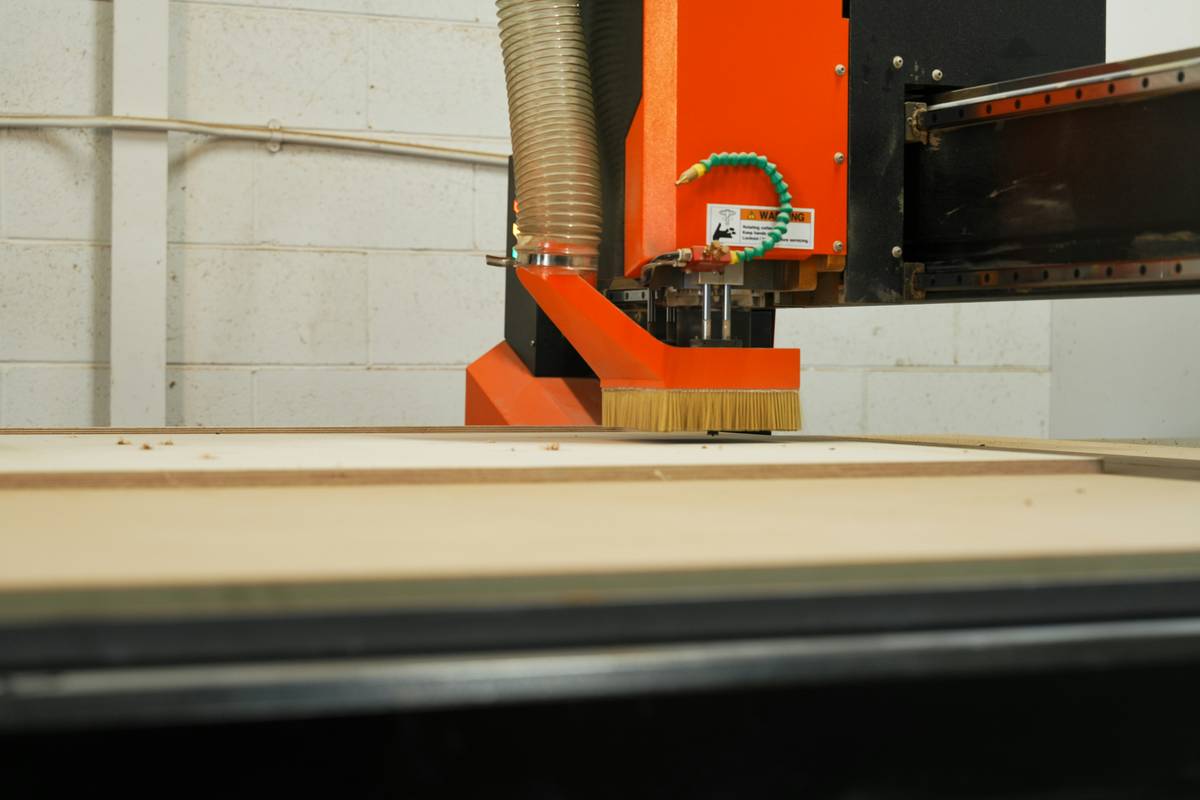
Routers shape function and form simultaneously. Mess this step up, and your joinery fails—or worse, your piece becomes unsafe. According to the U.S. Department of Labor’s OSHA guidelines, improper router use accounts for nearly 12% of reported hand-tool injuries in home workshops. That’s not just splinters—that’s ER visits.
How to Choose the Right Router Tool for Your Project
Should I get a fixed-base or plunge router?
Optimist You: “Go combo! Get both in one kit!”
Grumpy You: “Only if you enjoy paying for features you’ll never use—and storing two clunky bases.”
Truth? If you do mostly trim, edging, or template work (like flush-trimming live-edge slabs), a fixed-base router gives rock-solid depth control and smoother operation. Look for models with micro-adjust dials—Porter-Cable’s 690 series or DeWalt’s DWP611PK are battle-tested.
But if you’re cutting dados, mortises, or inlay cavities inside a board? You need a plunge router. Its spring-loaded base lets you start and stop cuts mid-surface. Festool’s OF 1400 EQ is the gold standard—but pricey. For budget-conscious builders, the Bosch 1617EVSPK combo kit delivers 90% of the performance at half the cost.
What about bit quality? Are cheap bits really that bad?
Yes. Let me be brutally honest: buying $5 “carbide” bits from sketchy online retailers is like trusting a Tamagotchi to babysit your toddler. They often use low-grade tungsten carbide that chips after three passes in oak.
Stick with reputable brands:
– Whiteside for American-made precision
– Freud for heat-resistant coatings that reduce pitch buildup
– Amana Tool for specialty bits like panel-raising sets
And always match shank size to your collet: 1/2″ shanks vibrate less and transfer power more efficiently than 1/4″—especially in hardwoods like walnut or maple.
Wait—what’s “feed rate” and why should I care?
Your router spins at 10,000–25,000 RPM. But pushing the tool too slowly through wood creates friction heat → burn marks. Move too fast, and the bit skips → tear-out.
Rule of thumb: For softwoods (pine, poplar), feed steadily but confidently—about the pace of walking a slow dog. For hardwoods (cherry, hickory), go slightly slower and make multiple shallow passes (never remove more than 1/8″ per pass).
Proven Best Practices That Prevent Splintered Nightmares
- Secure your workpiece like your fingers depend on it (they do). Use bench dogs, toggle clamps, or a vacuum hold-down—not your palm.
- Clean your collet monthly. Sawdust + resin = gunk that prevents full bit grip. Use a brass brush and denatured alcohol.
- Use climb cutting ONLY when necessary—and with extreme caution. It reduces tear-out on end grain but can yank the router out of your hands.
- Invest in a router lift for your table. Adjusting bit height from above saves time and keeps your hands clear.
- Never freehand small pieces. If it fits in your hand, it belongs on a sled or in a router table.
Terrible Tip Disclaimer: “Just eyeball the depth—you’ll get it close enough.” NO. Depth accuracy within 1/32″ often determines whether your joint holds or wobbles. Use a digital caliper or a depth gauge block.
Rant Section: My Pet Peeve
Why do YouTube tutorials show people routing with zero eye protection while wearing loose t-shirts? Routers eject chips at bullet-like speeds. I once got a 2″ oak shard embedded in my forearm because I skipped safety glasses “just this once.” Don’t be me. ANSI Z87.1-rated goggles aren’t optional—they’re essential.
Real Projects Where the Right Router Tool Saved the Day
Case Study 1: Custom Bookshelf with Hidden Dados
A client wanted floating shelves with invisible supports. Using a Festool plunge router with a 3/4″ straight bit and an MFT/3 guide rail, I cut precise 1/2″-deep dados into maple sides. The 1/2″ shank eliminated vibration, and the variable speed (set to 18,000 RPM) prevented burn marks. Result? Shelves that held 80 lbs each—with zero visible hardware.
Case Study 2: Restoring a 1920s Door
The original stile-and-rail joints were failing. Instead of replacing the whole door, I used a Whiteside 91-002 cope-and-stick set in a fixed-base router mounted in a table. Matched the historic profile exactly. Saved the homeowner $1,200 versus custom milling.
These aren’t theoretical wins—they’re repeatable strategies grounded in real shop experience. And they all started with choosing the right router tools for wood.
FAQs: Router Tools for Wood Edition
Can I use metal router bits on wood?
No. Metal-cutting bits have different flute geometry and are often made of high-speed steel (HSS), which dulls instantly on wood fibers. Stick to carbide-tipped bits designed for woodworking.
What’s the best router speed for hardwood?
Generally, slower is better. For bits over 1″ in diameter, drop to 12,000–16,000 RPM. High speeds cause excessive heat and burning. Always consult your bit manufacturer’s chart—Freud publishes detailed speed guides.
Do I need dust collection?
Absolutely. Fine wood dust is a carcinogen (per OSHA and NIOSH). Use a shop vac with a HEPA filter or connect to a dedicated dust extractor. Many modern routers (like the Makita RT0701C) have built-in ports.
Can I router MDF or plywood?
Yes—but use sharp, down-shear or compression bits to minimize chipping on the veneer surface. And wear a respirator. MDF off-gassing isn’t something to sniff casually.
Conclusion
Router tools for wood aren’t just gadgets—they’re gateways to professional-level craftsmanship. Choosing the right combination of router, bit, speed, and technique transforms rough lumber into heirloom furniture. Avoid the rookie traps: don’t skimp on bit quality, never skip safety gear, and respect the physics of spinning steel at 20,000 RPM.
Whether you’re trimming a shelf edge or carving intricate inlays, the principles remain the same: precision, patience, and the right tool for the job. Now go make something beautiful—without sending yourself to the ER.
Like a 2004 flip phone with polyphonic ringtones, your router deserves respect, regular cleaning, and never being dropped in the toilet.
Spinning carbide gleams—
Maple curls like buttered toast.
Fingers stay intact.