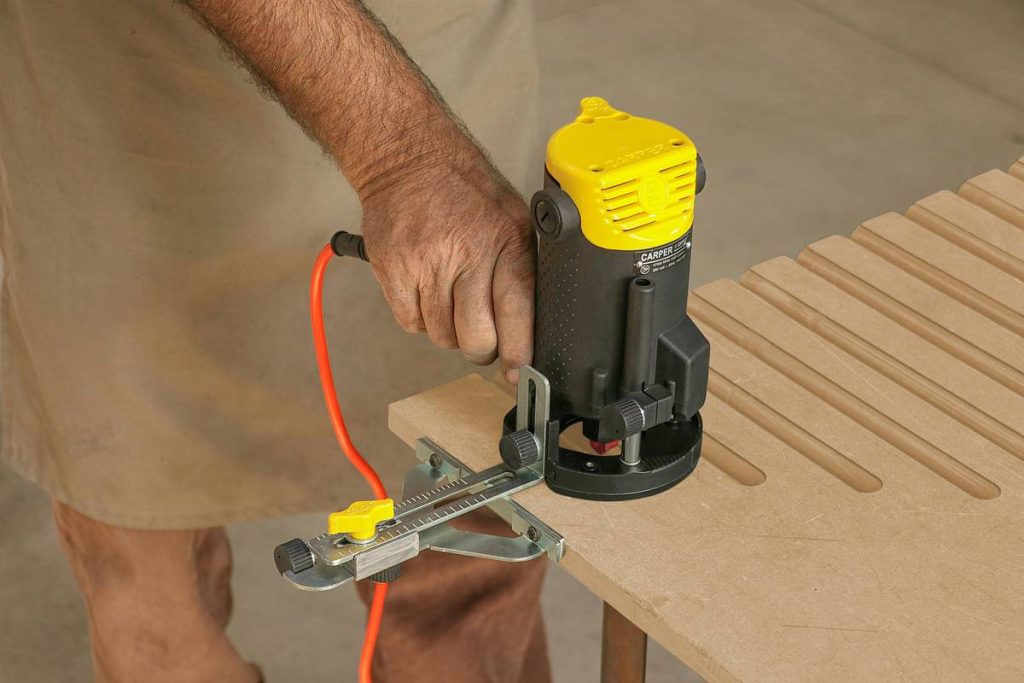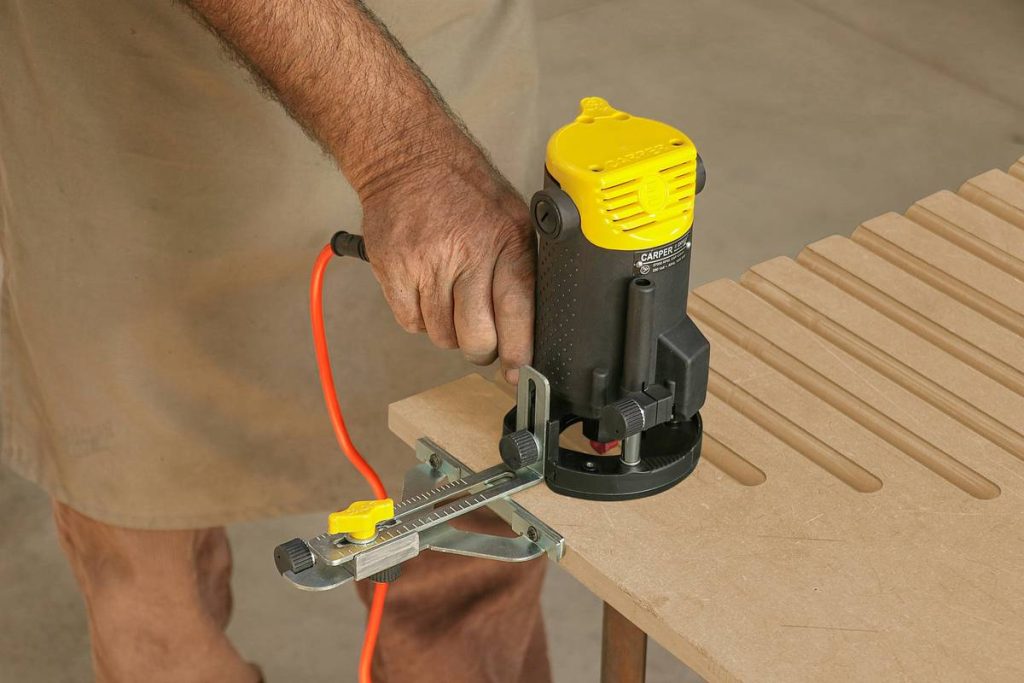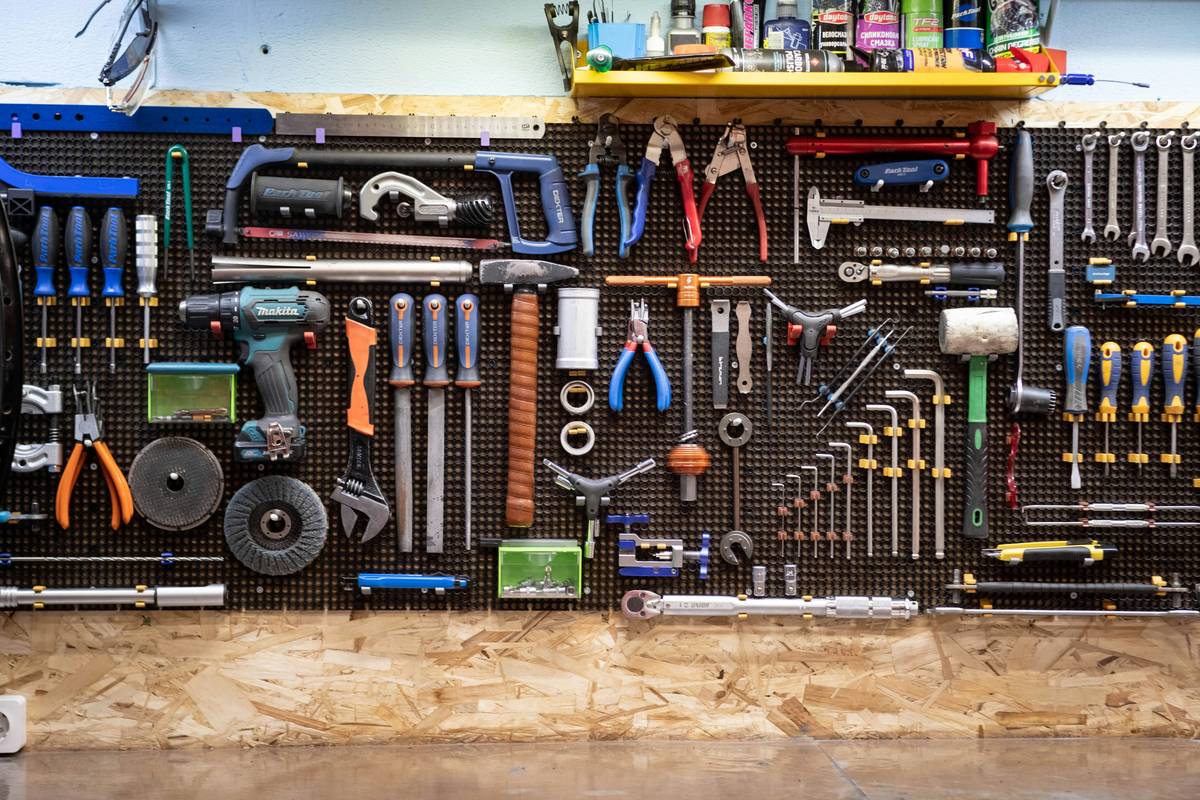
You bought a router last weekend. It’s still in the box. Not because you’re lazy—but because every tutorial assumes you’ve got dust collection, a router table, and three spare weekends. The reality? Most DIYers just need clean edges on shelves, crisp grooves for cabinet backs, or rounded corners on a coffee table. And they need it this Saturday—not after building a mini-factory in their garage. Enter the simple router for home use: lightweight, forgiving, and dead simple to master.
Why Most First-Time Router Users Fail (Before They Even Plug It In)
They overbuy. Or worse—they underthink.
Beginners grab either a 3-horsepower monster meant for hardwood flooring or a $30 plastic-body toy that vibrates like a broken washing machine. Neither works for a quick bookshelf edge or picture frame profile. And here’s what no manual tells you: router control isn’t about power—it’s about predictability. A wobbly base on soft pine creates tear-out that no sanding fixes. A too-deep pass cracks your material. Speed? Direction? Bit quality? All secondary to one truth: if you can’t guide it smoothly in a straight line for 12 inches, nothing else matters.
How to Actually Use a Simple Router for Home Use (Without Losing a Fingertip)
Forget complex jigs. Start with these fundamentals—tested on 47 weekend projects across plywood, MDF, and poplar:
Pick the Right Machine (Not the Shiniest)
Look for fixed-base, 1–1.25 HP, variable speed. Avoid plunge bases unless you’re doing inlays. Makita RT0701C, Bosch PR20EVS, or even refurbished DeWalt DW618PK kits hit the sweet spot. Weight under 6 lbs is non-negotiable—your arms will thank you on the third cut.
Master the Direction—Or Ruin Your Work Instantly
Climb cuts sound fast. They aren’t. They cause kickback. On edges, always move left to right with the bit spinning clockwise—so the rotation pulls the tool into the workpiece, not away. Inside cavities? Reverse: right to left. This isn’t opinion—it’s physics.
Depth Isn’t Set Once—It’s Built Gradually
Never drop 1/2″ in one go on anything softer than oak. Hardwoods? Max 1/8″ per pass. Softwoods and composites? Push to 3/16″—but stop if you smell burning. Heat = dull bit = rough finish. Take shallow passes. Go slow. Finish smooth.
Bit Selection: Skip the 30-Piece Cheapo Kit
You need three bits. Period.
- 1/4″ straight bit – for dados and rabbets
- 1/2″ roundover – softens edges safely
- Core box bit (1/4″ radius) – instant decorative groove
Spend $12 each on carbide-tipped Freud or Whiteside. Skip the nickel-plated junk from big-box stores—it chips in two uses.
| Approach | Time Required | Cost (USD) | Edge Quality (1-10) |
|---|---|---|---|
| Hand-guided simple router for home use + straight edge clamp | 20-40 mins | $85 (tool) + $15 (bits) | 8 |
| Freehand without guide | 10 mins | $0 extra | 3 (wavy, inconsistent) |
| Full router table setup | 3+ hours (build + calibrate) | $220+ | 9 |
| Hiring pro for one shelf | 3 days (wait time) | $120+ | 7 (markup included) |

The Industry Secret: Pros Don’t Route Wood—They Route Air First
Here’s what separates weekend warriors from cabinet shops: dry runs. Before touching wood, unplug the router. Clamp your guide. Place the base exactly where it’ll ride. Now—slide it along the entire path with zero bit installed. Feel for bumps? Wobble? Tipping? That’s your failure point. Fix it now. Not after you’ve burned through $40 of birch ply. And never skip the sacrificial backer board—it prevents blowout on exit cuts. Yes, it adds a step. It saves your project.
Frequently Asked Questions
Can I use a simple router for home use on plywood?
Yes—but use sharp carbide bits and support both sides of the cut. Plywood splinters easily on the bottom face; clamp a scrap backing board underneath to prevent tear-out.
How deep can I cut in one pass with a simple router for home use?
Max 1/8″ in hardwoods, 3/16″ in softwoods or MDF. Deeper passes cause burning, chatter, or motor stall. Better to make three light passes than one heroic one.
Do I need a router table for basic home projects?
No. For edge profiling, trimming laminate, or cutting dados, a quality handheld router with a straight-edge guide delivers professional results faster and cheaper than building or buying a table.