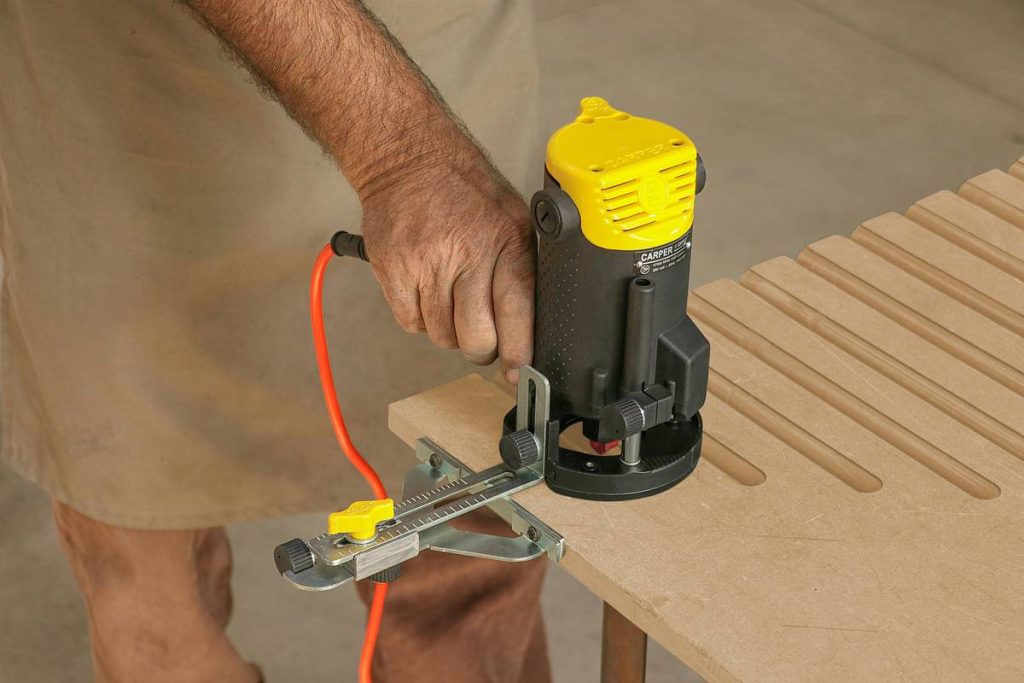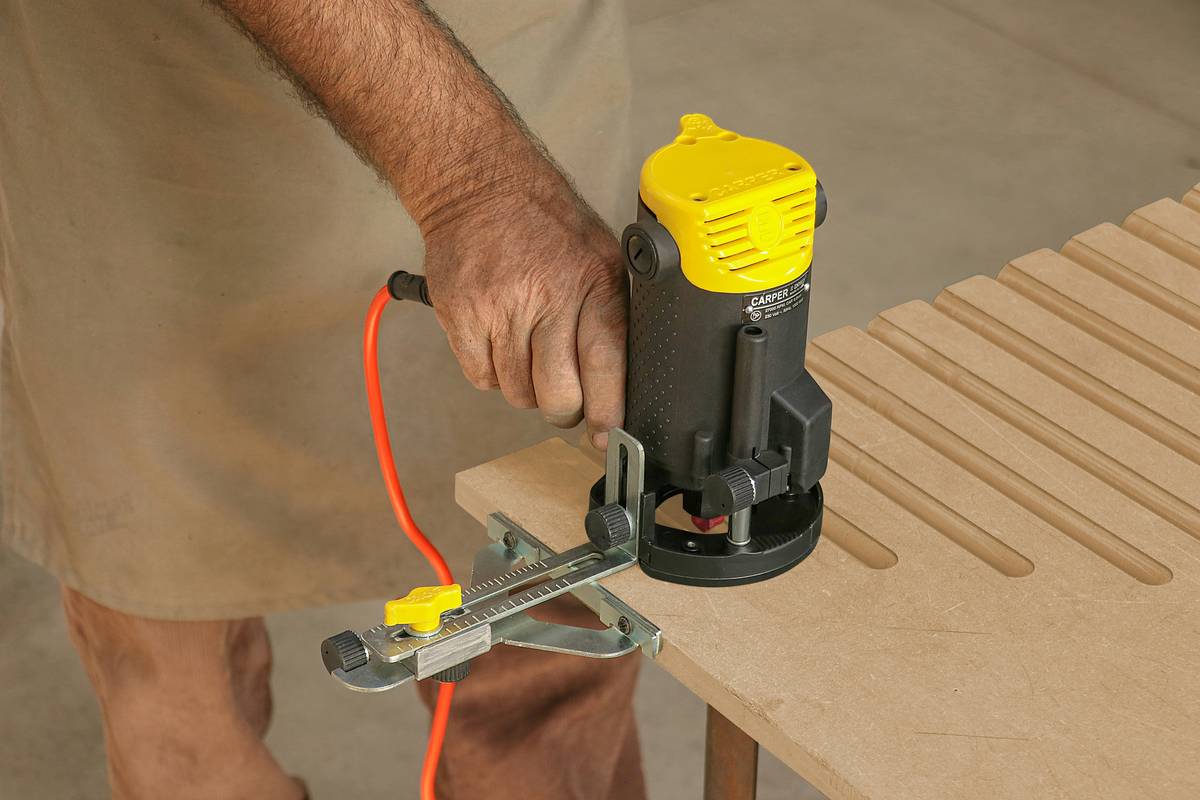
You spent hours sketching that farmhouse shelf. You bought the wood, sanded it smooth, even pre-drilled every hole. Then you routed the edge—and it splintered like wet cardboard. Frustrating? Absolutely. And you’re not alone. Most DIYers grab whatever router sits on the shelf, ignoring one brutal truth: not all routers are built for real work. The fix isn’t more sandpaper—it’s starting with the right home depot router tool.
Most Routers Are Built for Show, Not Substance
Big-box stores flood shelves with lightweight palm routers that scream “weekend warrior.” They vibrate like angry bees, lose RPM under pressure, and can’t hold a straight line past three feet. Try cutting a clean groove in oak with one—good luck. These machines prioritize low cost over torque, consistency, or dust control.
And here’s the kicker: many include proprietary bases that don’t accept standard guide bushings or edge jigs. Suddenly, your $89 “bargain” needs $40 in adapters just to function like a 20-year-old Craftsman.
How to Choose & Use a home depot router tool Like a Pro
Forget specs sheets. Start with intent. Are you trimming laminate? Shaping stair treads? Cutting joinery? Match the tool to the task—not the other way around.
Step 1: Pick the Right Router Type
Fixed-base routers stay steady for edge work and templates. Plunge routers dive into panels cleanly—ideal for mortises or inlays. Combo kits give both but add weight and cost. For 90% of home projects? A 2.25 HP fixed-base model hits the sweet spot.
Step 2: Prioritize Collet Stability Over Horsepower
A wobbling collet ruins cuts faster than dull bits. Look for routers with dual-bearing collet systems—DeWalt’s DWP611 and Bosch’s PR20EVSK excel here. Tighten it like your project depends on it (it does).
Step 3: Master Bit Selection—and Speed Control
Using a 1/2″ straight bit at 24,000 RPM on hardwood? That’s a recipe for tear-out. Larger bits demand slower speeds. Better yet: use compression spiral bits—they shear fibers cleanly on entry and exit.
| Project Type | Recommended Router | Optimal Bit | Speed (RPM) | Dust Control Tip |
|---|---|---|---|---|
| Edge Profiling (Shelves, Tables) | DeWalt DWP611PK (fixed base) | 1/4″ roundover with bearing | 18,000–22,000 | Attach shop vac directly; use clear sub-base |
| Flush Trimming Veneer | Bosch Colt PR20EVS | Straight 1/2″ with top bearing | 16,000–20,000 | Mask adjacent surfaces; shallow passes only |
| Dadoes & Grooves (Cabinetry) | Makita RT0701CX7 | 1/4″ straight carbide bit | 22,000–24,000 | Use edge guide + zero-clearance fence |

The Industry Secret: Your Router Isn’t the Problem—Your Feed Direction Is
Most tear-out isn’t about dull bits or cheap motors. It’s about feeding against the grain rotation. Here’s the reality: routers spin clockwise (viewed from above). So when routing an outside edge, move left to right—so the bit pulls itself into the cut, not out of it. Reverse that on inside edges (like a frame opening): go right to left. This tiny shift eliminates 80% of splintering—no new tools required.
Think about it: pros don’t obsess over brand names. They obsess over direction, depth per pass (never exceed 1/8″ in hardwood), and climb-cut exceptions. Master that triad, and even a budget home depot router tool delivers cabinet-grade results.
Frequently Asked Questions
Can I use a home depot router tool for metal?
No. Routers lack the torque and RPM control for metal. Stick to wood, plastic, or soft composites—or risk burning bits and damaging the motor.
Do I need a plunge base for basic trim work?
Not usually. Fixed-base routers offer better control for edge profiling. Save plunge for internal cuts like mortises or recessed hinges.
How often should I replace router bits?
When cuts start burning or chipping—even after cleaning. Carbide lasts longer, but inspect weekly. A worn bit strains the motor and ruins precision.