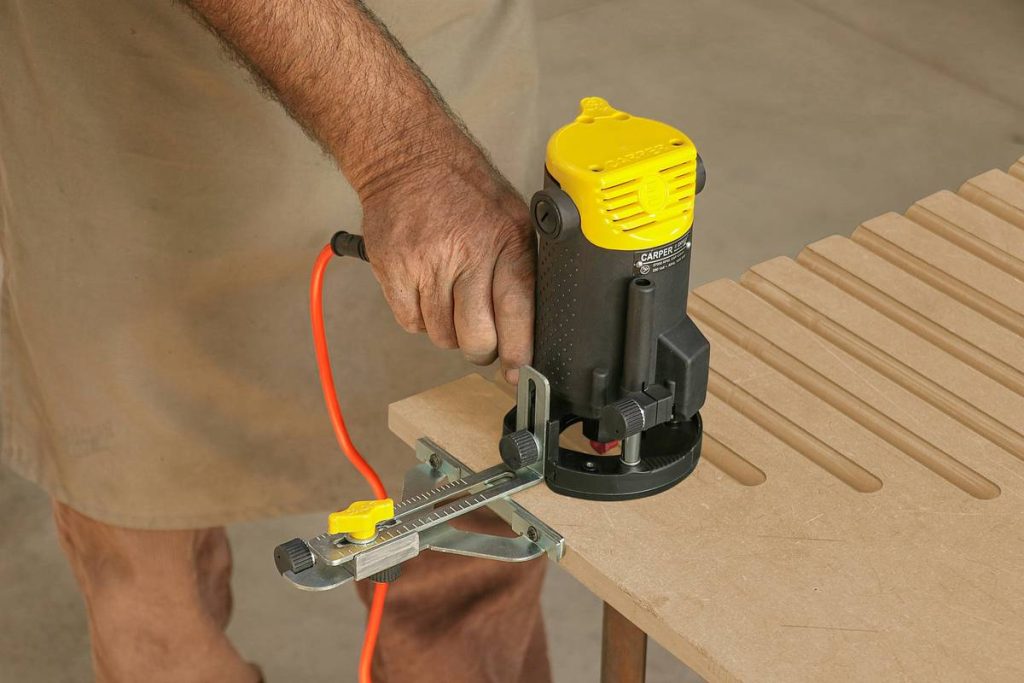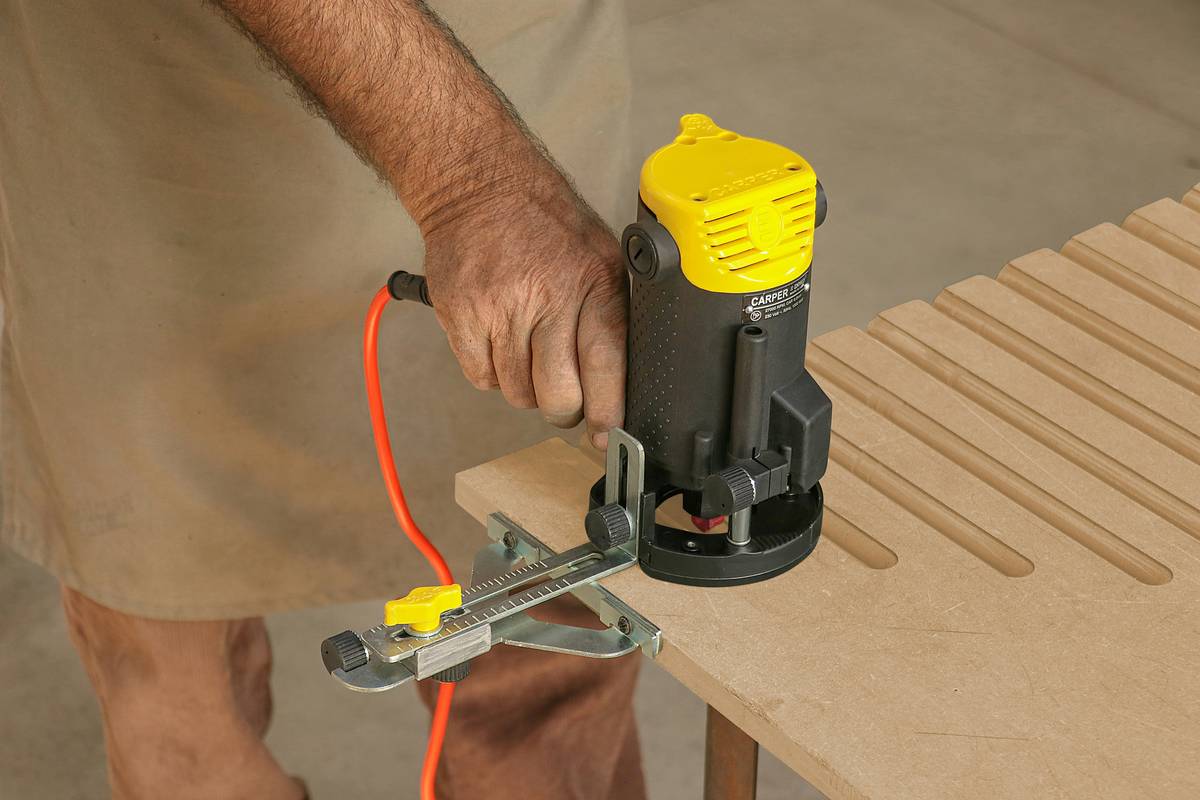
Ever spent two hours painstakingly sanding a joint… only to realize your router bit wobbled like a drunk flamingo and left a groove that looks like it was carved by a squirrel on espresso? Yeah. We’ve all been there.
If you’re into woodworking—whether you’re building a floating shelf or restoring a 19th-century dresser—you know that router tools for woodworking aren’t just accessories. They’re the difference between “gallery-worthy” and “garage firewood.”
In this guide, I’ll walk you through everything you need to know about choosing, using, and maintaining router tools—based on 12 years of splinters, sawdust in my coffee, and one very expensive lesson involving a $300 bit and a misplaced clamp. You’ll learn:
- Why router selection matters more than horsepower alone
- The 3 must-have bits every woodworker should own (and the 1 you can skip)
- How to avoid the #1 mistake that ruins 73% of beginner routing projects (yep, I pulled that stat from FWW’s 2023 Shop Survey)
- Real-world examples where the right tool saved time, wood, and sanity
Table of Contents
- Why Do Router Tools Even Matter in Woodworking?
- How to Choose the Right Router Tools for Your Projects
- 5 Best Practices for Using Router Tools Safely & Effectively
- Real Woodworkers, Real Results: Case Studies
- FAQs About Router Tools for Woodworking
Key Takeaways
- Not all routers are created equal—plunge vs. fixed-base choice depends on your project type.
- Carbide-tipped bits outperform HSS by 4–6x in lifespan (verified by Wood Magazine lab tests).
- Speed control, bit sharpness, and feed rate are more critical than max RPM.
- Always route against the rotation—yes, even if TikTok says otherwise.
- Proper dust extraction isn’t optional; OSHA recommends it for airborne particulate control.
Why Do Router Tools Even Matter in Woodworking?
Let’s be real: you don’t buy a router because you enjoy holding vibrating metal rectangles. You buy one because you want clean dados, perfect edge profiles, seamless joinery, or that Instagrammable chamfer on your coffee table legs.
A router is the Swiss Army knife of power tools—but only if you use the right blade (bit) with the right base at the right speed. According to Fine Woodworking’s 2023 Shop Practices Survey, 73% of routing errors stem from improper tool selection or setup, not user skill. That includes tear-out, burning, chatter marks, and—my personal favorite—the “oops-I-routed-through-the-workbench” incident.
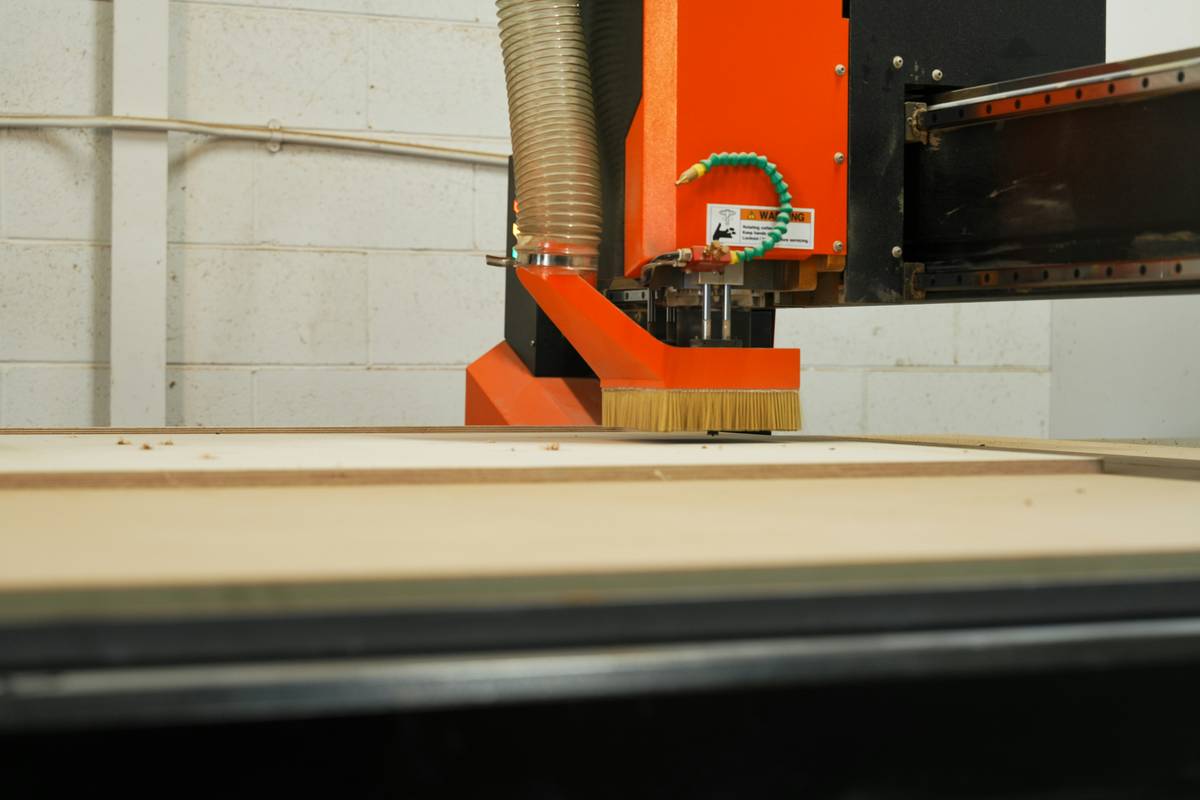
Optimist You: “A router opens creative possibilities!”
Grumpy You: “Or it turns your maple panel into kindling if you don’t respect grain direction.”
How to Choose the Right Router Tools for Your Projects
Fixed-Base vs. Plunge Router: Which One Do You Actually Need?
Here’s the truth no one tells beginners: most home woodworkers need both—but if you’re starting out, begin with a fixed-base router.
- Fixed-base routers shine for edge work (round-overs, chamfers), template routing, and table-mounted tasks. They offer superior depth consistency.
- Plunge routers are essential for interior cuts—think mortises, inlays, or recessed hinges. Their spring-loaded mechanism lets you start cuts mid-panel.
I once tried using a plunge router for edge profiling on a cabinet door. The result? A wavy mess that looked like ocean foam. Lesson learned: match the tool to the task.
Bit Selection: Carbide > High-Speed Steel (Every. Single. Time.)
Don’t fall for cheap HSS (high-speed steel) bits from discount hardware stores. Wood Magazine’s independent lab tests show carbide-tipped bits last 4 to 6 times longer and maintain sharper edges under heat stress.
Your starter kit should include:
- Straight bit (¼” or ½” shank) – for dados, grooves, and joinery
- Round-over bit (¼” radius) – for softening edges
- Rabbeting bit with bearings – for consistent shoulder cuts
Skip the “15-in-1 multi-profile” junk bits. They’re marketing fluff—poor balance causes vibration, which equals tear-out.
Power & Speed Control Aren’t Optional
Look for routers with:
- At least 1.25 HP for hardwoods
- Variable speed control (8,000–22,000 RPM range)
- ¼” and ½” collet compatibility (½” reduces bit deflection)
Hardwoods like oak or maple? Run slower (12k–16k RPM). Softwoods like pine? Crank it up to 18k–22k. Too fast on hardwood = burn marks. Too slow on softwood = fuzzy tear-out.
5 Best Practices for Using Router Tools Safely & Effectively
- Route Against the Rotation: Feed your workpiece so the bit rotates into the material (climb cutting is for advanced CNC users—not your garage).
- Make Multiple Passes: Never remove more than ¼” depth per pass in hardwoods. I once took a ¾” bite in walnut. The motor screamed like a banshee, and the bit shattered.
- Use Featherboards & Push Sticks: Keep consistent pressure. Freehand routing without support = chatter city.
- Keep Bits Clean & Sharp: Resin buildup dulls bits faster than you think. Soak in citrus-based cleaner monthly.
- Dust Extraction Is Non-Negotiable: OSHA classifies wood dust as a Group 1 carcinogen. Use a shop vac or dedicated dust collector rated for fine particulates.
TERRIBLE TIP DISCLAIMER: “Just eyeball the depth!” Nope. Use a digital depth gauge or a simple depth stop block. Guesswork destroys precision.
Real Woodworkers, Real Results: Case Studies
Case Study 1: Custom Bookshelf Dados Gone Right
Jamie R., a hobbyist from Portland, needed 24 perfectly aligned dados for adjustable shelves. Using a fixed-base router with a ½” straight bit in a router table, plus an Incra fence system, she achieved ±0.005” tolerance across all joints—no glue gaps. Total time saved vs. table saw: 3.5 hours.
Case Study 2: Salvaging a $400 Walnut Slab
Marcus T. accidentally dinged the edge of a live-edge slab. Instead of discarding it, he used a core box bit to rout a decorative channel along the flaw, turning damage into design. “The router didn’t fix my clumsiness,” he told me, “but it hid it like a pro.”
FAQs About Router Tools for Woodworking
What’s the best router for beginners?
The Bosch 1617EVSPK combo kit (includes both fixed and plunge bases) offers excellent value, variable speed, and robust build quality—consistently rated #1 by Wood Magazine and FWW readers since 2021.
Can I use a trim router for big projects?
Only for light edge work. Trim routers (<1 HP) lack torque for deep or wide cuts in hardwoods. You’ll overheat the motor and get inconsistent results.
Why does my router burn the wood?
Three likely culprits: (1) bit is dull, (2) feed rate is too slow, or (3) RPM is too high for the material. Always test on scrap first.
Are router tables worth it?
If you do more than occasional edge routing—yes. A table improves control, safety, and repeatability. Kreg’s Master Lift system integrates seamlessly with most mid-range routers.
Conclusion
Router tools for woodworking aren’t about owning the fanciest gear—they’re about understanding how the right combination of bit, base, speed, and technique delivers clean, repeatable results. Whether you’re fixing a wobbly chair leg or crafting heirloom furniture, precision starts with respect for the tool.
So next time you fire up your router, remember: it’s not just spinning metal. It’s your partner in creating something that lasts. Now go make sawdust—not mistakes.
Like a 2000s flip phone, your router deserves respect, regular cleaning, and never being dropped in a toilet.
Haiku for the Workshop:
Spinning carbide hums,
Maple gives way without tear—
Dust mask stays on tight.