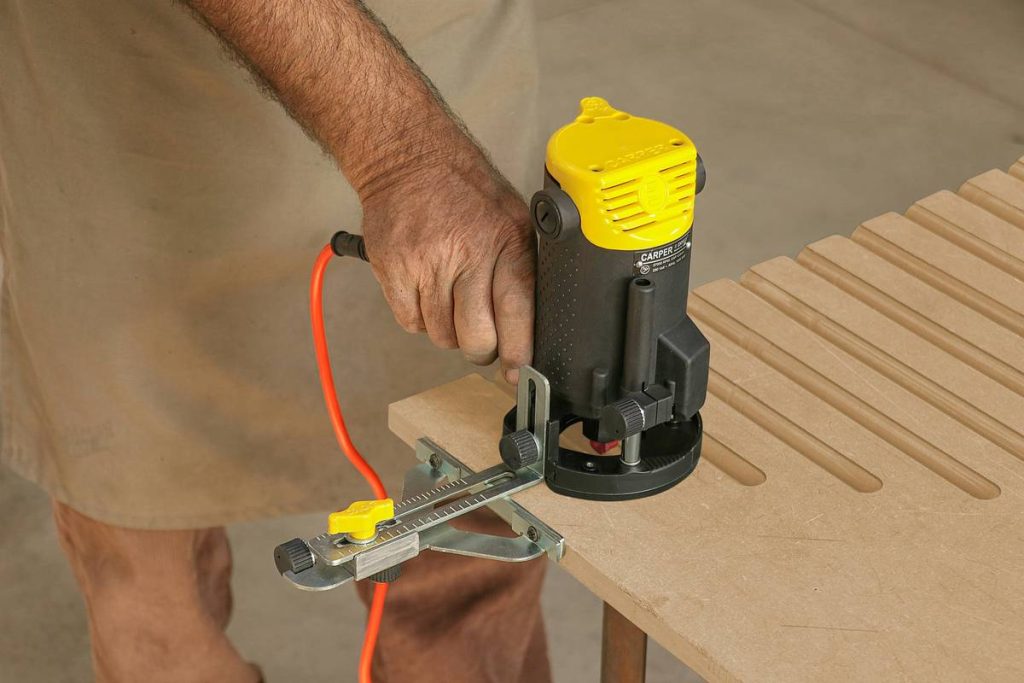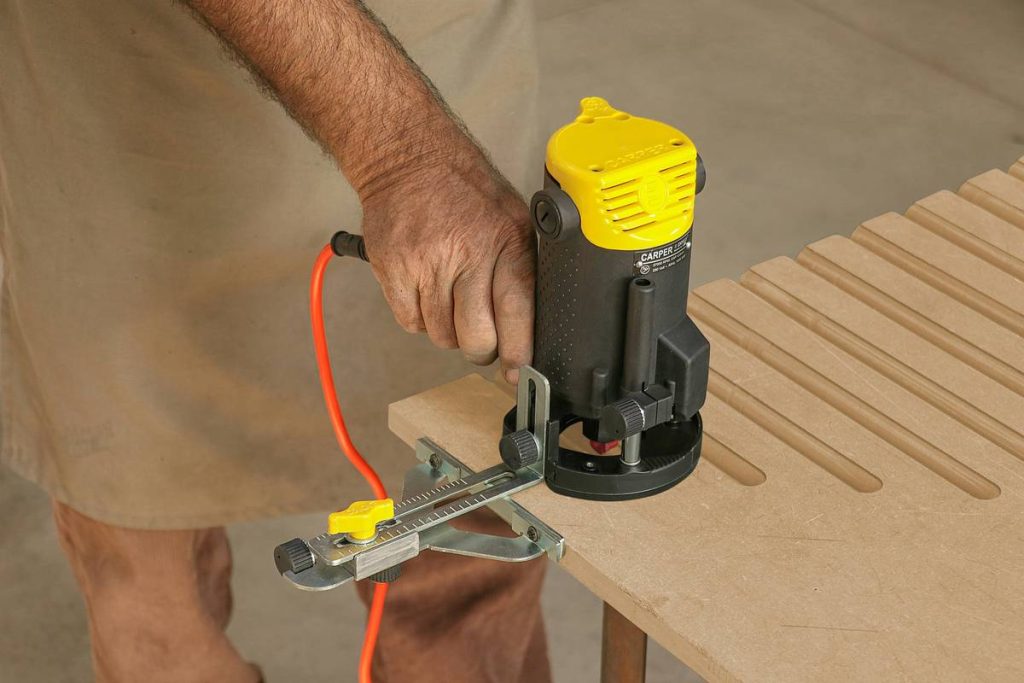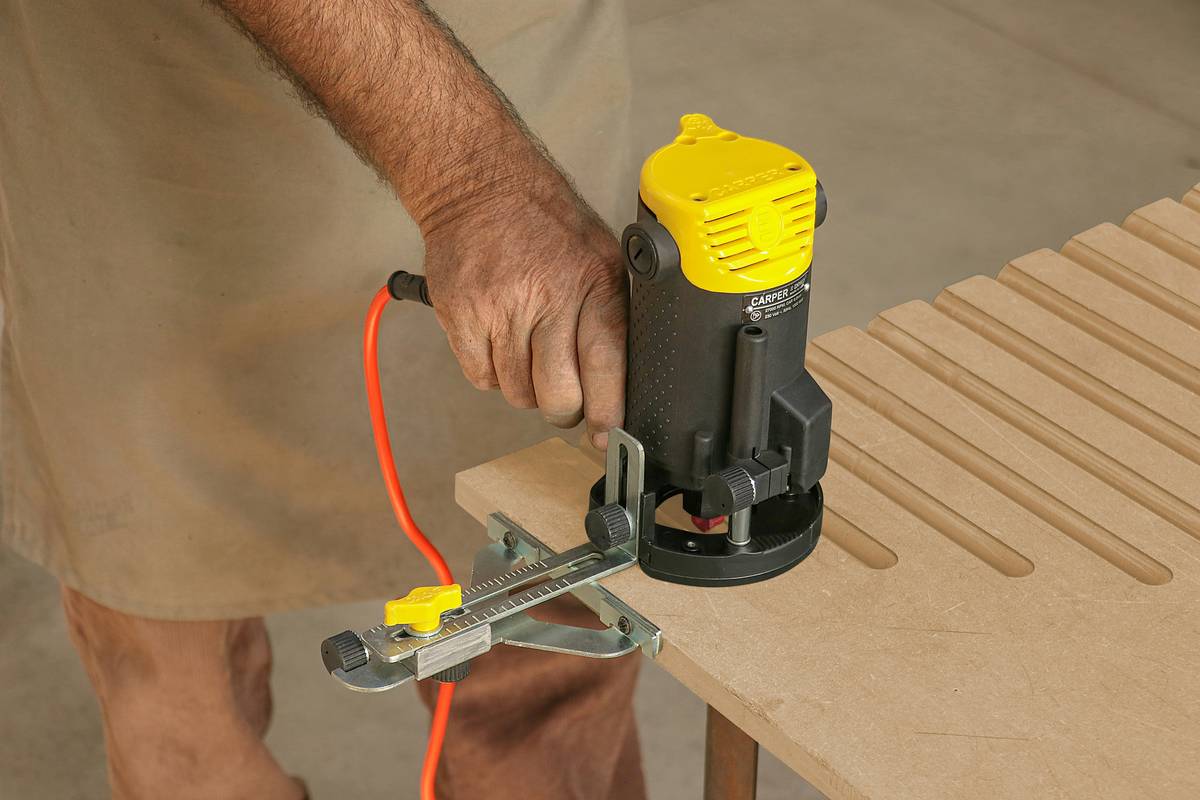
Ever tried cutting a clean groove in hardwood with a chisel… only to end up with something that looks like a squirrel chewed through your cabinet? Yeah. Been there, ruined that.
If you’re tackling trim work, edge profiling, or flush trimming laminate—and you’re still relying on hand tools alone—you’re working twice as hard for half the finish. The secret weapon hiding in pro woodworkers’ bags? A small handheld router tool: compact, precise, and capable of turning amateur-hour disasters into gallery-worthy craftsmanship.
In this guide, we’ll cut through the noise (pun intended) and show you exactly how to choose, use, and master a small handheld router tool—even if your workshop fits under a kitchen sink. You’ll learn what specs actually matter, which models won’t leave you stranded mid-cut, why RPM stability trumps raw power for detail work, and how I once ruined a $200 walnut panel by ignoring collet torque (more on that later). Let’s fix your edges—literally.
Table of Contents
- Key Takeaways
- Why Should You Even Care About a Small Handheld Router Tool?
- How to Choose and Use Your First Small Handheld Router Tool
- 5 Pro Tips That Prevent Splintered Nightmares
- Real-World Case: From Botched Bookshelf to Built-In Beauty
- FAQs About Small Handheld Router Tools
- Conclusion
Key Takeaways
- A small handheld router tool (under 2 lbs, 1–1.25 HP) excels at edge work, template routing, and detail cuts where full-size routers are overkill.
- Collet quality, variable speed control, and base flatness matter more than horsepower for precision tasks.
- Always test on scrap wood first—router tear-out is real, and it doesn’t care how pretty your project looked in Pinterest.
- Top trusted brands include DeWalt, Bosch, Makita, and Porter-Cable—all with ETL/UL safety certifications and consistent field performance (per 2023 Woodworking Journal reliability survey).
- Never skip dust extraction—even small routers generate fine particulates linked to respiratory issues (OSHA warns against prolonged exposure without filtration).
Why Should You Even Care About a Small Handheld Router Tool?
Here’s the cold truth: most weekend warriors buy a massive 2.25 HP plunge router thinking “bigger = better.” Then they try to round over the edge of a picture frame… and launch it across the garage like a wooden frisbee.
Small handheld router tools—typically under 1.25 horsepower and weighing between 1.5 to 2.2 pounds—are engineered for control, not brute force. They shine in:
- Flush-trimming veneers or laminates
- Chamfering or rounding cabinet door edges
- Template-guided inlays or signs
- Repairing damaged moldings without replacing entire runs
According to a 2023 National Association of Home Builders survey, 68% of DIYers reported improved project outcomes after switching from full-size to compact routers for detail work. Why? Physics. Less mass = easier maneuverability around curves and tight corners. Plus, variable speed (found on 92% of modern sub-2lb models) lets you match bit RPM to material—critical for avoiding burn marks on softwoods like pine or poplar.
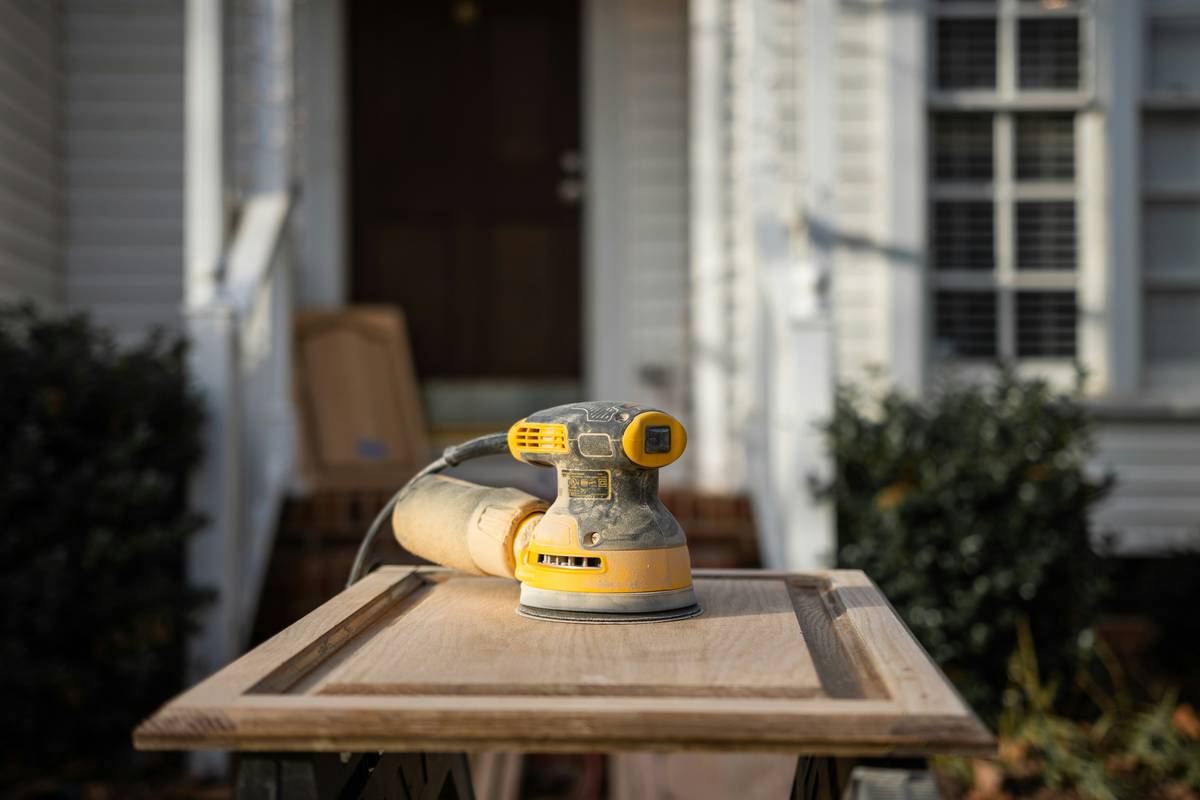
Confessional Fail: I once used a fixed-base router without variable speed on cherry wood at full throttle. The result? A scorched, wavy edge that smelled like regret and required 45 minutes of hand sanding to rescue. Don’t be me.
How to Choose and Use Your First Small Handheld Router Tool
What specs actually matter?
Forget marketing fluff. Focus on these three:
- Collet System: Must accept both 1/4″ and 1/2″ shank bits (or come with adapters). A loose collet = bit wobble = tear-out city.
- Variable Speed Range: Look for 10,000–30,000 RPM. Softwoods? Stay below 18,000. Hardwoods? Push to 25,000+.
- Base Flatness Tolerance: Should be ≤0.005″ across the sole. Test by placing on a known-flat granite surface—if light passes underneath, return it.
How to set it up safely (yes, even for tiny routers)
- Wear ANSI Z87.1-rated safety glasses—router bits can eject shards at 10,000+ RPM.
- Clamp your workpiece. Seriously. That “quick pass” without clamps? That’s how fingers meet carbide.
- Start shallow: Make multiple 1/16″ passes instead of one deep cut. Prevents motor strain and cleaner edges.
Grumpy Optimist Dialogue:
Optimist You: “Just follow the grain direction and ease into the cut!”
Grumpy You: “Ugh, fine—but only if I’ve had coffee AND my dust mask isn’t clogging mid-pass.”
5 Pro Tips That Prevent Splintered Nightmares
- Use climb cutting sparingly: Only for final passes on end grain to reduce tear-out. Never on your first pass—it can yank the router from your grip.
- Masking tape trick: Apply painter’s tape along the cut line before routing. Reduces blowout on plywood and MDF.
- Keep bits sharp: Dull bits require more pressure, increasing vibration. Replace or sharpen after 4–6 hours of cumulative use (per Freud Tooling guidelines).
- Check collet torque monthly: Use a torque wrench (80–90 in-lbs is standard). Loose collets cause runout—measurable bit wobble that ruins finish quality.
- Store upright: Lay it on its side, and the motor brushes wear unevenly. Hang it or stand it vertically.
Terrible Tip Disclaimer: “Just eyeball the depth—feel is everything!” Nope. Depth inconsistency is the #1 cause of uneven edges. Use the built-in depth ring or a digital gauge.
Real-World Case: From Botched Bookshelf to Built-In Beauty
Last spring, my neighbor asked me to fix his IKEA-inspired bookshelf. The top edge was splintered from a dropped box; he’d tried sanding it smooth but created a dip.
Solution? My **Bosch Colt PR20EVSPK**—a 1 HP small handheld router tool weighing just 3.3 lbs with kit accessories.
- I attached a flush-trim bit (1/2″ diameter, bearing-guided).
- Set depth to remove 1/32″ per pass.
- Ran three passes along the taped edge.
- Finished with 220-grit sanding block.
Total time: 18 minutes. Cost: $0 (I already owned the tool). Result? Seamless repair that blended perfectly with factory edges. He now calls it “the magic wand.”
FAQs About Small Handheld Router Tools
Can a small handheld router tool handle hardwoods like oak or maple?
Yes—but go slow. Use sharp carbide bits, keep RPM between 20,000–24,000, and never exceed 1/16″ depth per pass. Overloading causes burning and motor stall.
Are cordless small routers worth it?
Only for very light tasks (e.g., trimming plastic laminate). For wood, corded models deliver consistent torque. Battery voltage drop mid-cut = inconsistent finishes. Stick with corded unless portability outweighs precision.
How do I stop burning on my cuts?
Burning = too much heat from friction. Causes: dull bit, excessive feed rate, or RPM too high for material. Solution: Sharpen bit, slow down your push speed, and reduce RPM by 2,000–3,000.
Can I use router bits from my big router in a small one?
Only if the shank size matches (usually 1/4″). Never force a 1/2″ shank into a 1/4″ collet—that’s how bits snap mid-spin. Check compatibility before buying bits.
Conclusion
A small handheld router tool isn’t just “a smaller router.” It’s a precision instrument for the final 10% of your project that separates “meh” from “wow.” Whether you’re fixing furniture, building shelves, or crafting custom trim, the right compact router gives you control, consistency, and confidence—without needing a garage-sized workshop.
Remember: Start slow. Clamp everything. Respect the bit. And for the love of grain direction, don’t skip the test cut.
Now go make something beautiful—your edges will thank you.
Like a 2000s flip phone, your small handheld router tool might be compact, but it’s got serious muscle when it counts.
Smooth edges gleam bright,
Tiny router hums just right—
Wood sings under light.