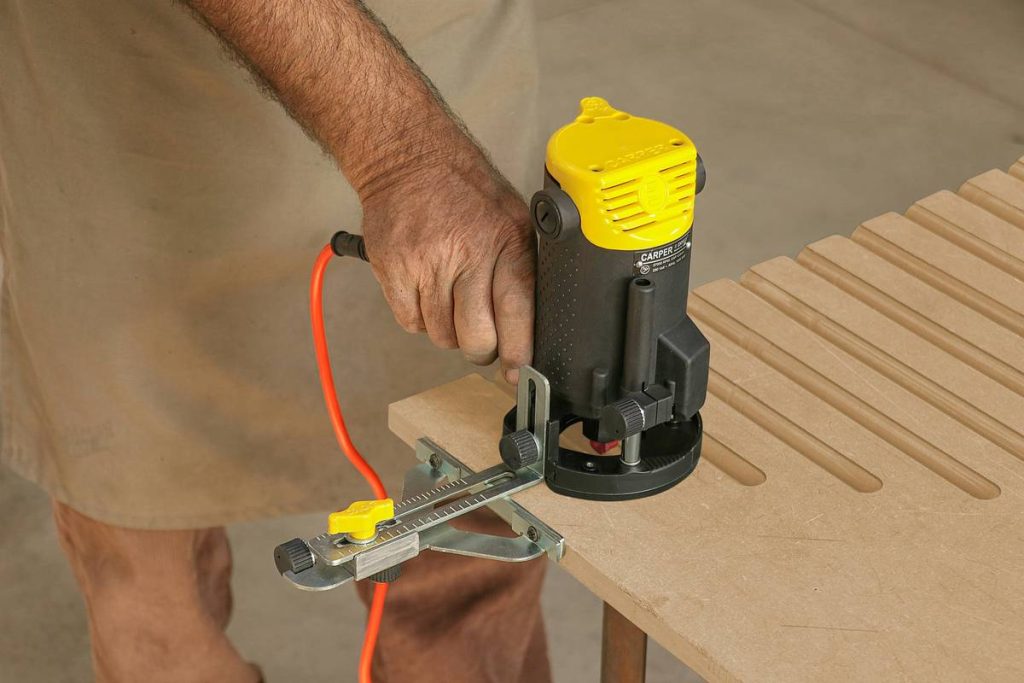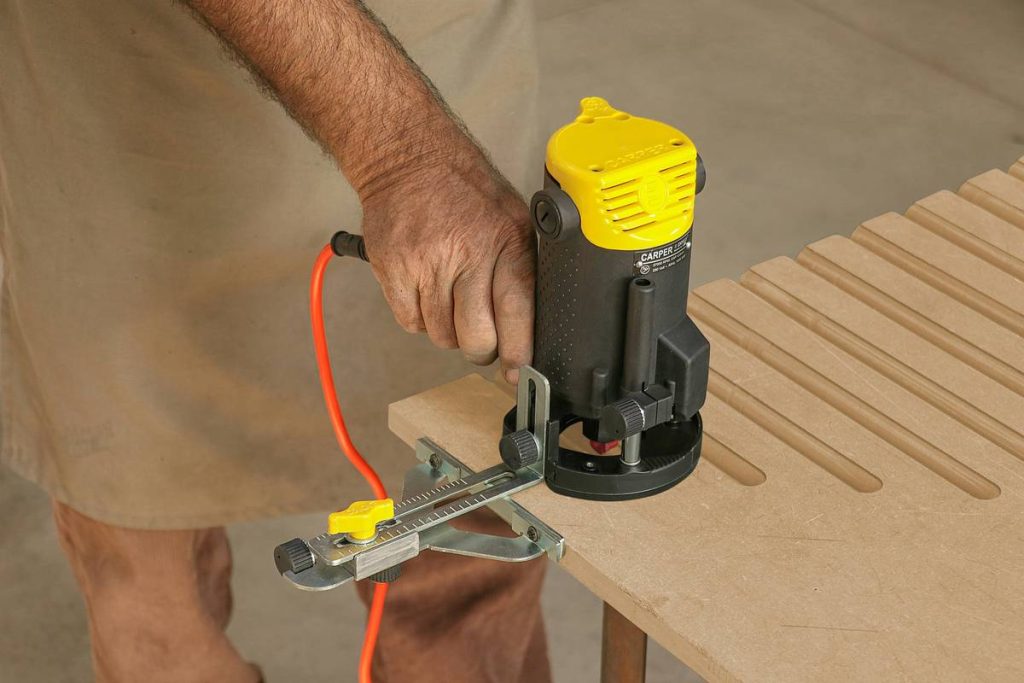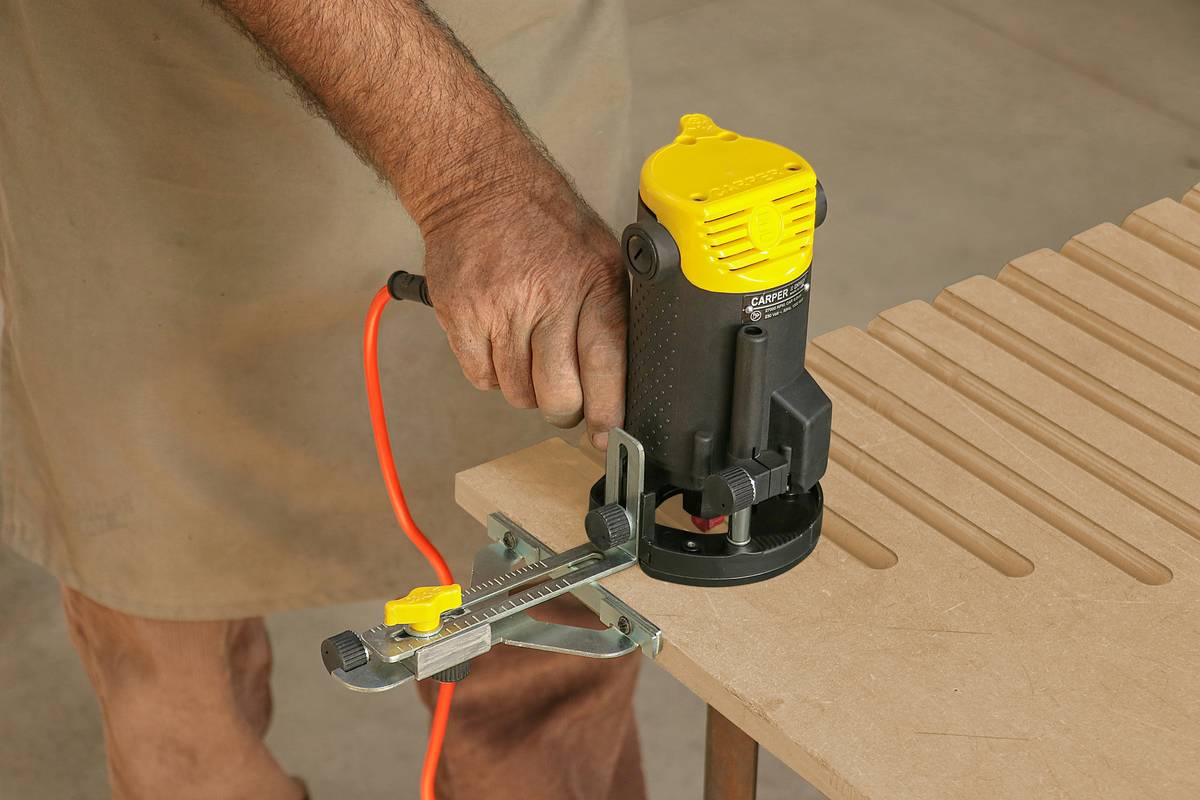
You bought a compact router thinking it’d be your go-to for precision edge work, delicate inlays, or tight corners. Instead, it chatters like a nervous apprentice—leaving burn marks, uneven grooves, and a growing pile of ruined stock. The frustration is real. But here’s the twist: it’s not your router’s fault. It’s how you’re using it.
The Silent Killer of Precision: Misapplied Compact Routers
Most woodworkers treat compact routers like miniaturized full-size tools. Big mistake. Their lightweight design sacrifices mass—which means less inertia, more vibration, and zero forgiveness on feed rate errors. And when you pair them with cheap bits or wrong RPM settings? Disaster.
You can’t brute-force accuracy with a 3-pound machine meant for finesse. Yet tutorials keep pushing them as “perfect for beginners.” Beginners don’t need underpowered tools—they need smart setups.
wood working tools compact router: A No-Bullshit Setup Protocol
Forget vague advice. Here’s exactly how to turn a flimsy compact router into a surgical instrument.
Step 1: Match Bit Diameter to Motor Limits
Compact routers often max out at 1¼ HP. That means no ½” straight bits for deep passes. Stick to ¼” shank bits under ¾” diameter. And never take more than 1/8″ depth per pass on hardwoods.
Step 2: Lock Down Your Workpiece—Not Just Clamp It
Vibration amplifies movement. Even slight shifts ruin edges. Use double-sided tape + clamps on MDF spoil boards. Or better yet—vacuum hold-downs for small templates. Stability isn’t optional.
Step 3: Dial In Feed Rate Like a CNC Operator
Too slow? Burnt edges. Too fast? Tear-out. The sweet spot? Move just fast enough that chips are small and consistent—not dust, not chunks. Practice on scrap with a stopwatch: aim for 10–15 seconds per linear foot on hardwood.
| Bit Type | Max Depth/Pass (Hardwood) | Ideal RPM | Router Load Risk |
|---|---|---|---|
| ¼” Straight | 1/8″ | 24,000–28,000 | Low |
| ½” Flush Trim | Not recommended | N/A | High |
| ⅜” Round-Over | 1/8″ | 20,000–24,000 | Medium |
| 1/8″ V-Groove | 1/16″ | 30,000+ | Low |
The Industry Secret: Compact Routers Excel Only in Controlled Environments
Here’s what tool reviewers won’t tell you: compact routers weren’t designed for freehand routing. They shine in jigs, edge guides, or template setups where movement is constrained. Think dovetail sockets, hinge mortises, or dado cleanouts—tasks with mechanical limits on travel.
Use one handheld for large profiles? You’ll fight it all day. But mount it in a micro-table with featherboards? Suddenly it’s a micron-level machine. The key isn’t power—it’s constraint.
Frequently Asked Questions
Can I use a wood working tools compact router for door hinge mortises?
Yes—if you use a jig. Freehanding risks tear-out. A hinge template with guide bushings ensures perfect depth and alignment every time.
What’s the best RPM setting for hardwoods with a compact router?
Start at 24,000 RPM for bits under ½”. Too high causes burning; too low leads to chatter. Adjust ±2,000 based on test cuts.
Why does my compact router stall on oak?
Oak’s density demands clean, sharp bits and shallow passes. Dull bits increase resistance. Try 1/16″ depth per pass—and never climb-cut without featherboards.